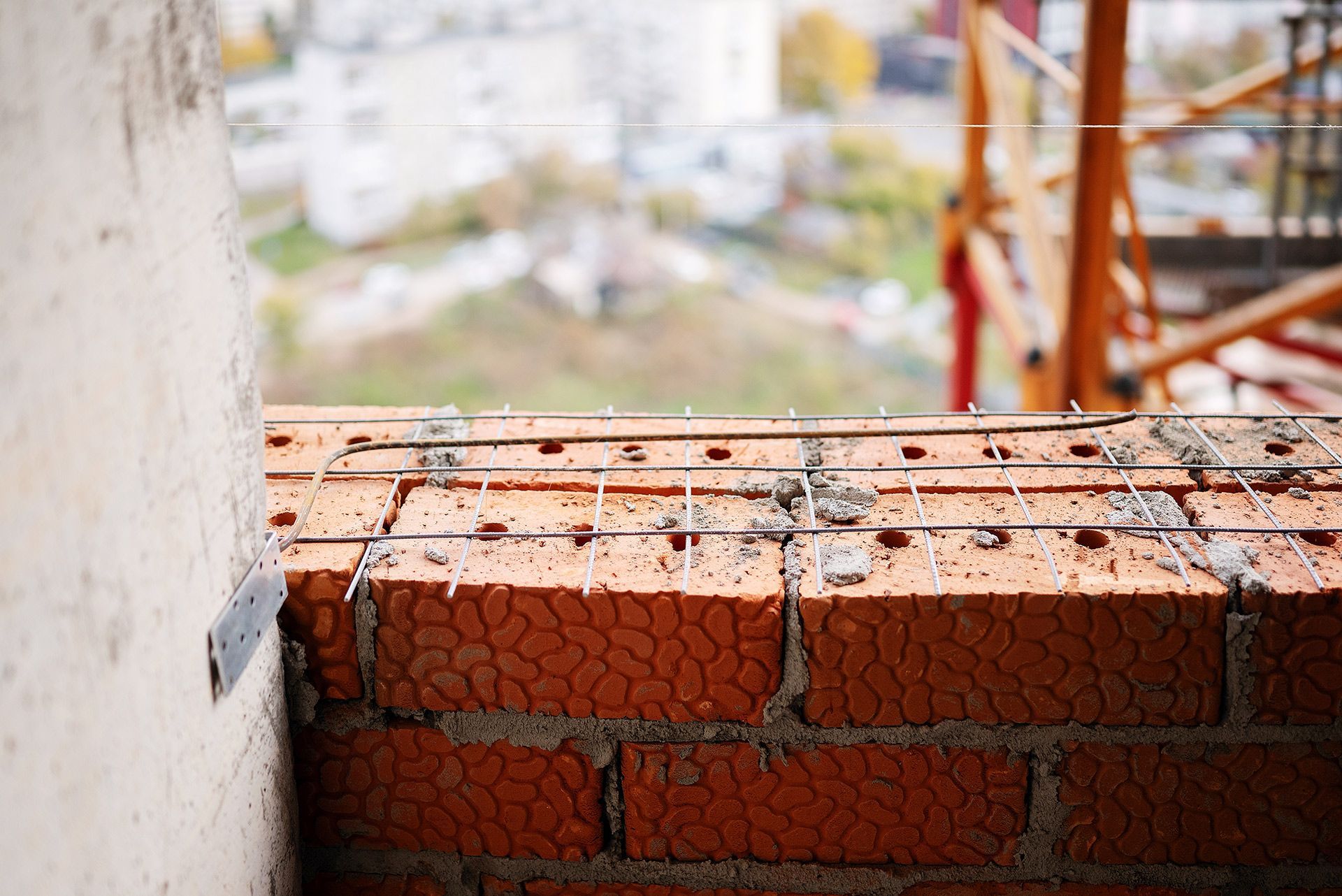
Raymond Brock provides brick masonry in Simpson, NC for new construction, additions, and repairs throughout Pitt County. Brick masonry has long been a standard in eastern North Carolina homes because fired clay brick resists moisture, insects, fire, and fading. Our brick masonry work covers brick foundations, veneer, steps, columns, mailboxes, outdoor features, and restoration of aging brickwork.
Call Raymond Brock to schedule a brick masonry estimate in Simpson, NC.
Residential Brick Masonry Projects
Brick masonry serves both structural and decorative roles on homes around Simpson.
Brick Crawlspace Foundations
Brick foundation walls give crawlspace homes a finished, traditional appearance while supporting floor framing above concrete footings.
Brick Veneer
Brick veneer provides an exterior cladding over framed walls, separated by an air space with flashing and weep holes that let moisture drain out.
Brick Steps and Stoops
Brick masonry steps and stoops create durable, attractive entries that will not rot or warp like wood.
Brick Columns and Piers
Brick columns support porch roofs and carports and frame driveways and entryways with a substantial, finished look.
Outdoor Brick Masonry Features
Brick masonry extends naturally into the yard and outdoor living areas.
Brick Mailboxes
Brick mailboxes stand up to weather and impacts while matching the home's exterior.
Brick Planters and Garden Walls
Low brick walls and planters define landscape beds, patios, and property edges.
Brick Grill Surrounds and Fire Pits
Brick masonry outdoor kitchens and fire features provide heat-resistant, permanent outdoor living spaces.
Request an on-site quote for brick masonry in Simpson, NC from Raymond Brock.
Brick Masonry Materials and Methods
Long-lasting brick masonry depends on correct materials and construction details.
Brick Selection
Brick is chosen for color, texture, size, and durability rating to match the home and handle local exposure.
Mortar Type and Color
Mortar strength is matched to the brick and application, and color is selected to blend with or complement the brick.
Bond Patterns
Running bond, stack bond, and decorative patterns change the visual character of brick masonry.
Flashing and Weep Holes
Flashing directs water out of the wall cavity, and weep holes allow it to escape, protecting framing behind brick veneer.
Wall Ties
Metal ties anchor brick veneer to the structure, keeping the wall secure against wind loads.
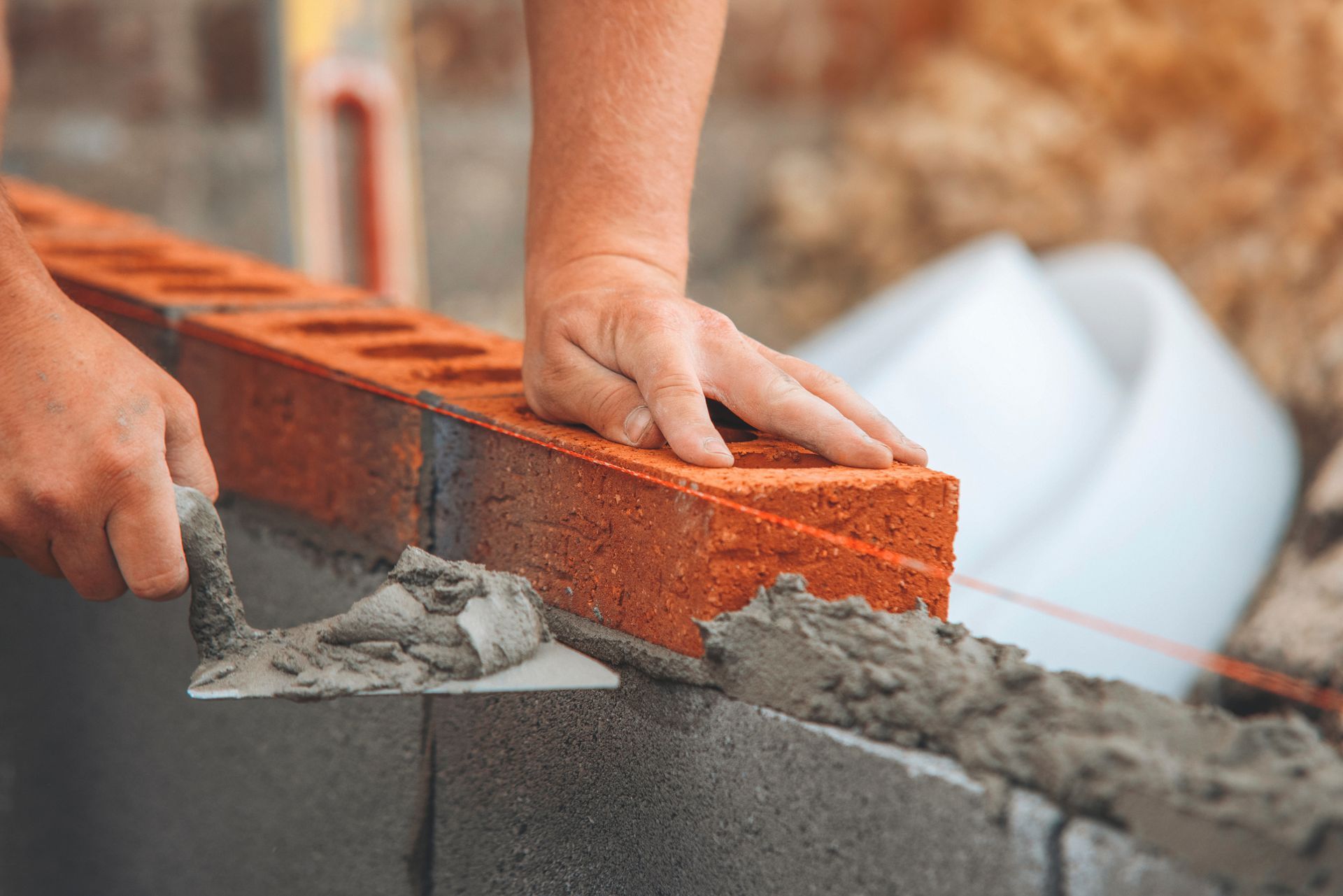
Brick Masonry Repair and Restoration
Older brick masonry often needs attention as mortar weathers and buildings settle.
Tuckpointing and Repointing
Crumbling mortar is ground out and replaced, restoring the wall's strength and water resistance.
Brick Replacement
Spalled, cracked, or broken bricks are removed and replaced with the closest available match.
Step and Stoop Rebuilding
Loose or settled brick steps are taken down and rebuilt on a stable base.
Efflorescence and Moisture Issues
White salt deposits are cleaned and the moisture source behind them is identified and addressed.
Brick Masonry FAQs in Simpson, NC
How much does brick masonry cost in Simpson, NC?
Brick masonry costs depend on brick type, square footage, wall height, design complexity, and site access. Repairs are priced by the extent of damage. An on-site estimate provides an accurate price.
How long does brick masonry last?
Brick itself can last more than 100 years. Mortar joints typically need repointing every 25 to 30 years depending on weather exposure.
What is the difference between brick veneer and solid brick?
Brick veneer is a single layer of brick attached to a framed wall, while solid brick walls use multiple layers of brick as the structural wall.
Why are weep holes important in brick walls?
Weep holes let water that gets behind brick veneer drain out, preventing moisture damage to the framing and sheathing.
Can new brick match my existing brick?
Close matches are often possible by comparing color, size, and texture, though weathering can cause slight differences between old and new brick.
What causes brick to crack?
Brick cracks result from foundation settlement, thermal movement, moisture, or failing mortar. The cause should be identified before repairs.
Does brick masonry need sealing?
Most brick does not require sealing. Breathable water repellents can help in specific situations, but sealers that trap moisture should be avoided.
What is spalling brick?
Spalling occurs when moisture inside brick causes the face to flake or pop off. Damaged bricks are replaced and moisture sources corrected.
Can a brick mailbox be built on any lot?
Most lots can accommodate a brick mailbox, though placement must follow postal guidelines and avoid underground utilities.
Is brick masonry good for eastern North Carolina?
Yes. Brick masonry resists humidity, termites, and rot, making it well suited to the climate around Simpson.
How do I know if my brick needs tuckpointing?
Signs include crumbling or recessed mortar, gaps in joints, loose bricks, and water stains on interior walls.
Contact Raymond Brock today to plan brick masonry in Simpson, NC.