RAYMOND BROCK
Concrete Flatwork in Simpson, NC Poured Level, Sloped Right, and Built to Hold
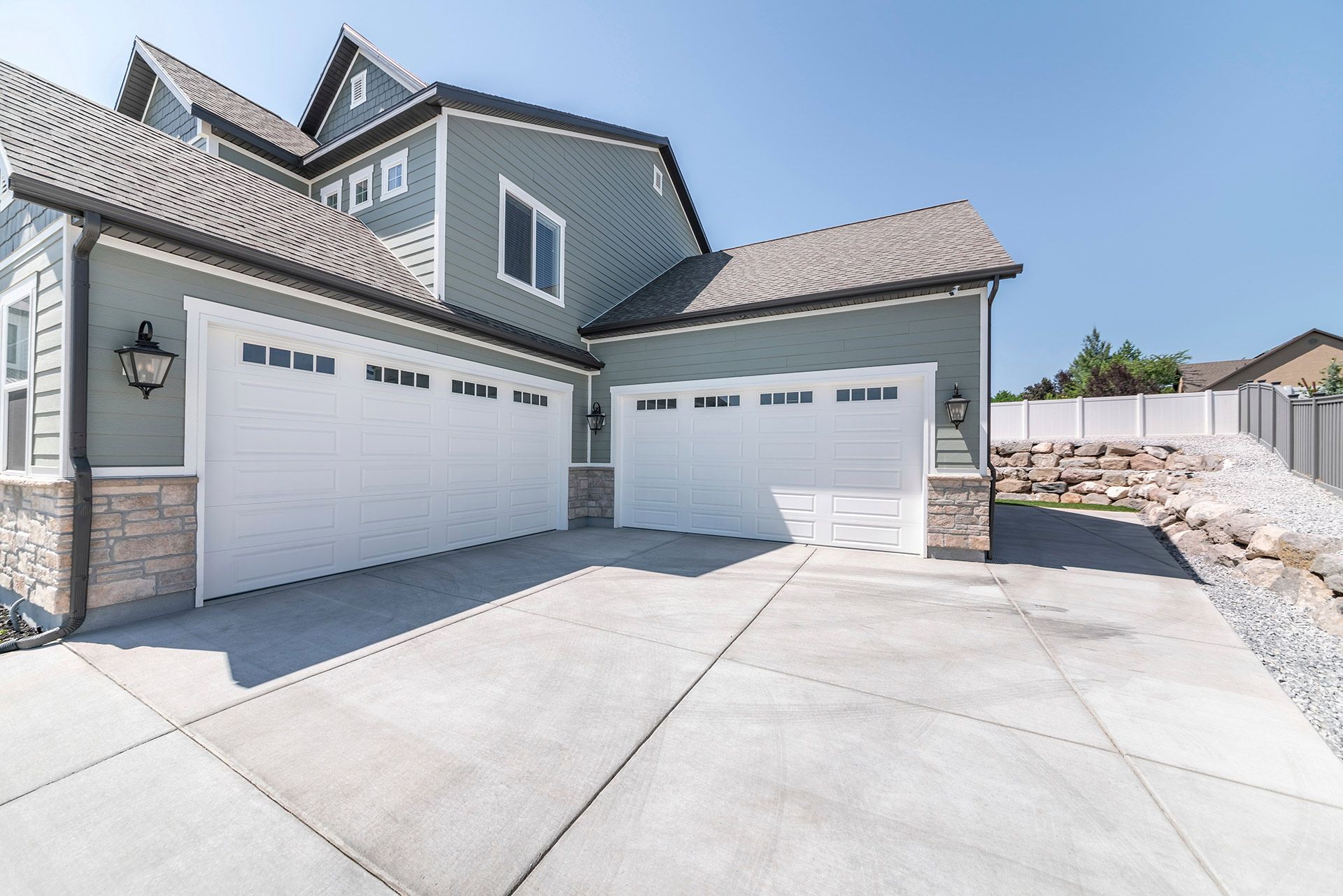
Raymond Brock installs concrete flatwork in Simpson, NC for homes, farms, and small commercial properties across Pitt County. Concrete flatwork covers any horizontal concrete surface, from driveways and sidewalks to garage floors, equipment pads, and aprons. Because flat surfaces collect water, carry weight, and take direct sun all day, every concrete flatwork project starts with grading, drainage, and base preparation before any concrete is ordered.
Call Raymond Brock to schedule a concrete flatwork estimate in Simpson, NC.
Types of Concrete Flatwork We Install in Simpson
Concrete flatwork in Simpson serves very different purposes depending on where it sits and what it carries. Thickness, reinforcement, and finish are matched to each use.
Driveways and Parking Pads
Driveway concrete flatwork must handle vehicle loads, turning tires, and edge stress. Slabs are thickened where trucks or trailers park and sloped so runoff moves away from the garage and toward the yard or street.
Sidewalks and Walkways
Walkway flatwork connects driveways, porches, and outbuildings with an even, slip-resistant surface. Consistent width and gentle cross-slope keep water from sitting on the path.
Garage Floors and Interior Slabs
Interior concrete flatwork is finished smooth and level, with a vapor barrier where moisture from the ground could affect tools, storage, or floor coatings.
Equipment Pads and Aprons
Pads for HVAC units, generators, sheds, and farm equipment need a stable, level surface. Aprons at garage and barn entries take repeated turning traffic and benefit from added thickness.
Pool Decks and Utility Slabs
Pool deck flatwork receives a textured finish for traction, while utility slabs for trash enclosures, dog runs, and storage areas are poured for durability and easy cleaning.
Site Preparation for Concrete Flatwork
The surface you see is only as good as the ground beneath it. Most concrete flatwork failures trace back to soft soil, poor compaction, or water undermining the slab.
Excavation and Grading
Topsoil, roots, and organic material are removed because they compress and decay over time. The subgrade is then shaped to the correct elevation and slope.
Compacted Stone Base
A layer of compacted stone gives concrete flatwork uniform support and helps water drain away from the slab instead of softening the soil below.
Forming and Elevation Control
Forms set the final edges, thickness, and slope of the concrete flatwork. Elevations are checked against doorways, garage openings, and existing surfaces so the new slab meets them cleanly.
Get a free on-site quote for concrete flatwork in Simpson, NC from Raymond Brock.
Reinforcement, Thickness, and Joint Layout
Correct structure inside the slab determines how concrete flatwork performs over decades.
Slab Thickness
Walkways and patios are commonly poured at four inches, while driveways and equipment pads carrying heavier loads often require five to six inches.
Rebar and Wire Mesh
Steel reinforcement is placed at mid-depth on supports so it can resist tension and keep any cracked sections tightly together.
Control Joints
All concrete shrinks as it cures. Control joints cut at planned intervals give that shrinkage a straight, intended place to crack, keeping concrete flatwork clean and uniform.
Finishing Options for Concrete Flatwork
The right finish depends on traction needs, appearance, and maintenance expectations.
Broom Finish
A broom finish adds texture for grip on driveways, sidewalks, and ramps, which matters during wet Simpson weather.
Smooth Trowel Finish
Smooth finishes are used for garage floors, shop slabs, and interior spaces where easy sweeping and coatings are priorities.
Exposed Aggregate and Decorative Finishes
Exposed aggregate reveals the stone in the mix for a textured, natural look. Stamped or colored finishes can turn ordinary concrete flatwork into a decorative feature.
Curing and Sealing
Hot, humid summers can dry the surface too quickly. Proper curing protects strength, and sealing after the slab matures helps resist moisture and stains.
Concrete Flatwork FAQs in Simpson, NC
What is concrete flatwork?
Concrete flatwork is any horizontal concrete surface, including driveways, sidewalks, patios, garage floors, pool decks, and equipment pads. It differs from vertical concrete work such as walls and foundations.
How much does concrete flatwork cost in Simpson, NC?
Concrete flatwork pricing depends on square footage, thickness, site preparation, reinforcement, access for the concrete truck, and finish type. Decorative finishes and tear-out of old concrete increase the total. An on-site estimate gives an accurate number.
How thick should concrete flatwork be?
Most residential walkways and patios are four inches thick. Driveways that carry trucks or trailers and equipment pads typically need five to six inches with added reinforcement.
Does concrete flatwork need rebar?
Rebar or wire mesh is recommended for most concrete flatwork, especially driveways and pads that carry weight. Reinforcement controls crack width and holds slab sections together.
How long before I can drive on new concrete flatwork?
Foot traffic is usually fine after 24 to 48 hours. Passenger vehicles should wait about seven days, and heavy trucks or equipment should wait closer to 28 days.
Why do control joints matter in concrete flatwork?
Control joints create weak points where shrinkage cracks can form in straight lines. Without them, cracks appear randomly across the slab.
What causes concrete flatwork to sink or settle?
Settling usually comes from soft or poorly compacted soil, organic material left under the slab, or water washing out the base. Proper excavation, compaction, and drainage prevent most settling.
Can new concrete flatwork be poured over old concrete?
Pouring over old concrete is sometimes possible when the existing slab is stable, but cracks and movement often transfer to the new surface. Removing and replacing failing concrete is usually the longer-lasting option.
What is the best finish for a concrete driveway?
A broom finish is the most common driveway finish because it provides traction in wet weather. Exposed aggregate is another durable, slip-resistant option.
Should concrete flatwork be sealed?
Sealing helps protect concrete flatwork from moisture, staining, and surface wear. New concrete should cure for about 28 days before sealing, with resealing every few years.
How long does concrete flatwork last?
Well-built concrete flatwork with proper base preparation, reinforcement, and drainage commonly lasts 25 to 40 years or more with basic maintenance.
Contact Raymond Brock today to plan your concrete flatwork project in Simpson, NC.